
Your Right to Work From Home in 2026 - Legal Rights & Protection
Summary
- Work from home rights exist but depend on your circumstances and contract terms.
- Employer refusal can become discrimination if you have protected characteristics or health needs.
- Building a strong WFH request requires legal strategy and proper documentation.
- Grapple AI wins disputes by finding violations others miss in employment law.
What the Law Actually Says About WFH
Your work from home rights aren't as simple as many people think. The law gives you the right to request flexible working from day one of employment, but employers can refuse for business reasons.
The key protection comes from discrimination law and your contract terms. If you're disabled, a carer, or have other protected characteristics, refusing WFH might breach equality laws.
Employers must consider your request properly and give clear reasons for any refusal. They can't just dismiss work from home requests without genuine business justification.
Your contract matters too. If WFH was part of your original terms or became established practice, sudden removal could breach your contract.
When Refusal Becomes Discrimination
Discrimination happens when employers treat work from home requests unfairly based on protected characteristics. Disability discrimination is the most common violation we see.
If you need to work from home for health reasons, your employer has a duty to make reasonable adjustments. Refusing without proper consideration breaks disability law.
Pregnancy discrimination occurs when employers deny WFH to expectant mothers who need it. Age discrimination can happen when older workers face different standards than younger colleagues.
Religious discrimination might apply if you need WFH for caring responsibilities or religious observance. The law protects against all these unfair treatments and more.
What Our Clients Say
Building a Watertight WFH Request
Your work from home rights request needs proper legal structure to succeed. Start by documenting your role's suitability for remote work with specific examples.
Address business concerns before they're raised. Show how you'll maintain productivity, communication, and team collaboration from home.
If you have protected characteristics, clearly state how WFH relates to your needs. For disability, explain the reasonable adjustment aspect explicitly.
Set a clear timeline and follow up in writing. Keep records of all communications as evidence for potential disputes.
How Grapple AI Wins WFH Disputes
Grapple AI analyses thousands of employment cases to find violations human lawyers miss. Our system spots discrimination patterns and contract breaches instantly.
We identify the strongest legal arguments for your work from home rights case. Whether it's disability discrimination, contract breach, or unfair treatment, we build winning strategies.
Our AI reviews your employer's reasons for refusal against legal standards. We expose weak business justifications and unreasonable decision making.
Most employers settle quickly when faced with Grapple's precise legal analysis. We make justice fast, fair, and affordable for everyone.
Frequently Asked Questions
Do I Have a Legal Right to Work From Home?
You have the right to request flexible working including WFH from day one, but employers can refuse for valid business reasons. Your rights strengthen if you have protected characteristics or contractual WFH terms.
Can My Employer Force Me Back to the Office?
Yes, unless your contract guarantees WFH or you need it as a reasonable adjustment for disability. However, they must follow proper consultation procedures and provide genuine business reasons.
What if Working From Home is a Health Need?
If you're disabled or have health conditions, employers must consider WFH as a reasonable adjustment. Refusing without proper assessment could breach disability discrimination law.
How Do I Appeal a Rejected WFH Request?
Challenge the business reasons given and check if discrimination applies to your situation. Document everything and consider whether the refusal breaches your contract or equality rights.
A Success Story
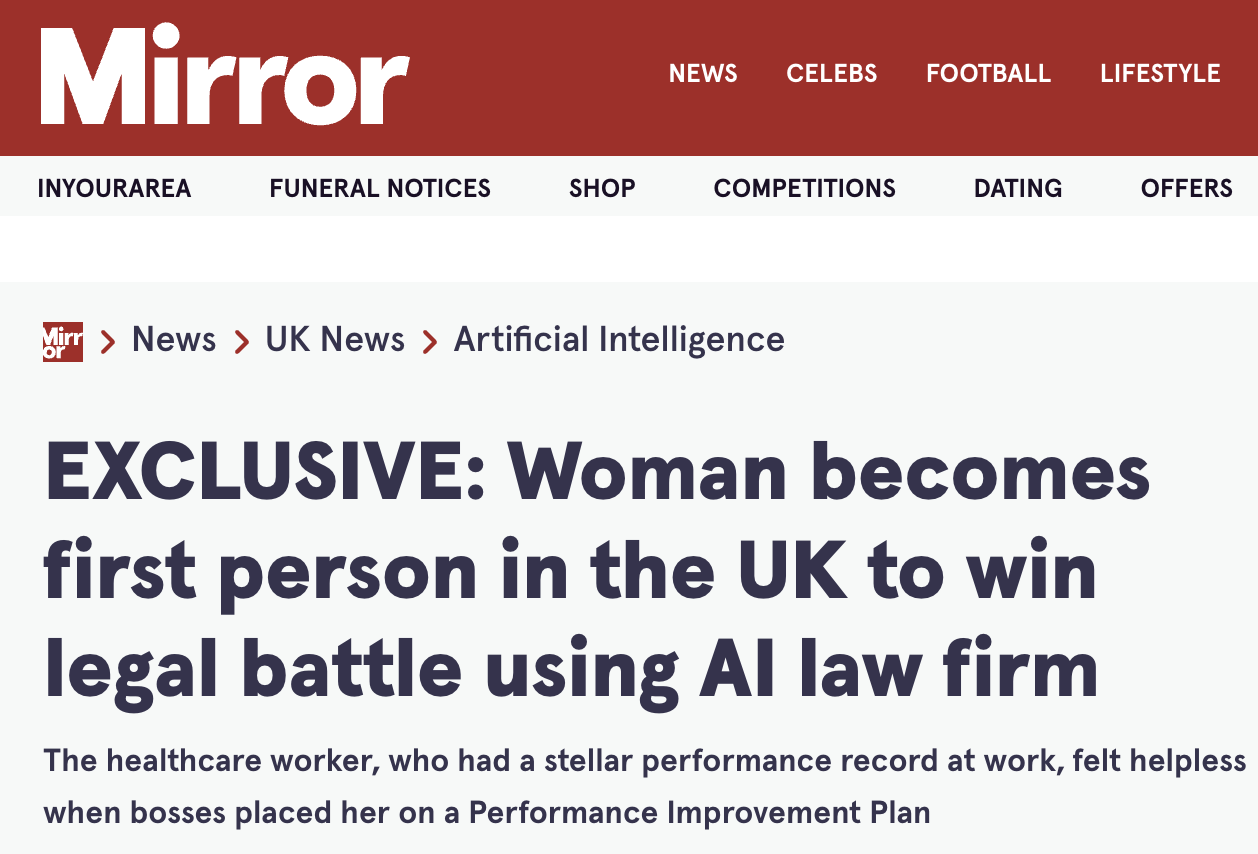
After years of strong performance, 'Jane' was placed on a Performance Improvement Plan (PIP), while on sick leave for a health condition.
With no prior warning, she felt cornered and unsure where to turn.
The process was being used as a fast-track exit strategy, to get rid of her without a fair settlement agreement offer.
Struggling with health, caring for an elderly relative, and fearing the financial fallout of losing her job, Jane turned to Grapple Law for help.
She took swift, decisive action, sending detailed legal letters to her employer and preparing for her formal meetings.
Within weeks, Jane secured a settlement of around £30,000, and paid a modest success fee to Grapple Law.