
Too Ill To Work? Here's What To Do Next
Summary
- Know when you're genuinely unfit for work and trust your instincts about your health.
- Get proper fit notes from your GP and understand what they actually mean for your job.
- Tell your employer the right way without giving them ammunition against you.
- Let Grapple AI handle any pushback or unfair treatment from your boss.
Recognising When You're Genuinely Unfit For Work
Your body knows when something's wrong, even if your brain tries to push through. If you're experiencing physical pain, mental health struggles, or exhaustion that affects your ability to do your job safely, you're unfit for work.
Don't let workplace culture guilt you into working when you're genuinely too sick to work. Pushing through illness often makes things worse and puts you at risk of serious mistakes or accidents.
Trust your instincts about your own health. You know your body better than anyone else, including your boss who might pressure you to return too soon.
Getting A Fit Note And What It Really Means
A fit note from your GP is your legal shield when you're unfit for work. You need one if you're off sick for more than seven consecutive days, including weekends.
Fit note rules are simple: your doctor assesses whether you can work, need adjustments, or should stay off completely. The note protects you from disciplinary action for genuine sickness absence.
Your GP might suggest modifications like reduced hours or different duties. These recommendations aren't just suggestions, they're medical advice your employer must take seriously under fit note rules.
What Our Clients Say
Telling Your Employer Without Putting Your Job At Risk
Contact your employer as soon as possible when you're too sick to work. Follow your company's sickness reporting procedure, usually within the first day of absence.
Be honest but don't overshare medical details. Your employer needs to know you're unfit for work and roughly how long you expect to be off, not your entire medical history.
Keep records of all communications about your sickness. This protects you if your employer later tries to twist what was said or challenge your absence.
Let Grapple AI Handle The Pushback From Your Boss
Some employers react badly when workers are genuinely unfit for work. They might question your fit note, pressure you to return early, or threaten disciplinary action.
This pushback is often illegal under employment law. Your employer cannot override medical advice or punish you for genuine sickness absence that follows proper procedures.
Grapple AI cuts through employer intimidation tactics with instant legal analysis. Our AI identifies when employers cross the line and helps you respond with confidence, not fear.
Frequently Asked Questions
When Should I Stay Off Work Instead Of Pushing Through?
Stay off when illness affects your ability to work safely or effectively. Trust your body's signals and don't let workplace pressure override genuine health needs.
How Quickly Do I Need A Fit Note From My GP?
You need a fit note if you're off for more than seven consecutive days. Some employers require one earlier. Contact your GP as soon as you realise your absence will exceed this period.
Can My Employer Override What My Fit Note Says?
No, employers cannot override medical advice from your GP. They must respect fit note recommendations about your ability to work or need for adjustments.
What If My Boss Pressures Me To Come Back Too Soon?
Document the pressure and stand firm on medical advice. Grapple AI can help you respond legally when employers ignore fit note rules or rush your return.
A Success Story
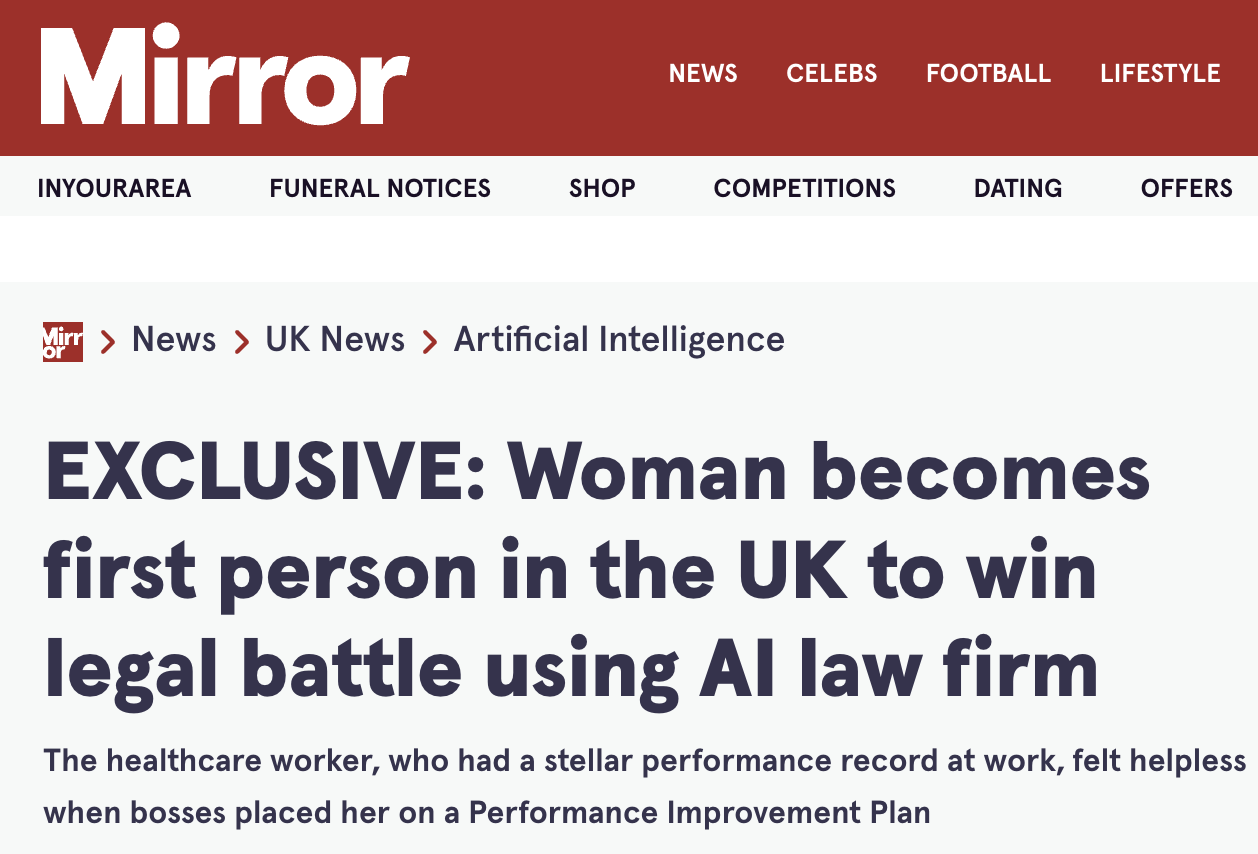
After years of strong performance, 'Jane' was placed on a Performance Improvement Plan (PIP), while on sick leave for a health condition.
With no prior warning, she felt cornered and unsure where to turn.
The process was being used as a fast-track exit strategy, to get rid of her without a fair settlement agreement offer.
Struggling with health, caring for an elderly relative, and fearing the financial fallout of losing her job, Jane turned to Grapple Law for help.
She took swift, decisive action, sending detailed legal letters to her employer and preparing for her formal meetings.
Within weeks, Jane secured a settlement of around £30,000, and paid a modest success fee to Grapple Law.