
The Truth About Remote Working Rights in the UK
Summary
- Remote working rights in the UK depend on your contract terms and legal protections.
- Employment contracts can create enforceable remote work entitlements beyond company policies.
- Return to office mandates may disguise unlawful discrimination against protected characteristics.
- AI powered legal support helps workers challenge unfair remote working disputes effectively.
What Remote Working Means in Law
Remote working rights in uk law are treated differently from flexible working requests. Your legal position depends on what your contract actually says, not company handbooks.
If your contract specifies home working or remote arrangements, that creates binding legal obligations. Employers cannot simply override contractual remote working rights with new policies.
The Employment Rights Act 1996 protects workers from unlawful contract changes. When remote working becomes part of your agreed terms, you gain legal protection against forced office returns.
COVID variations and hybrid arrangements often created new contractual rights. Many workers accepted roles specifically advertised as remote, giving them stronger legal grounds.
When Your Contract Protects You
Employment contracts with remote working clauses create enforceable legal rights. Express terms stating home working or flexible location give you protection against unilateral changes.
Implied terms matter too when remote working becomes established practice. Courts consider how long you worked remotely and whether the employer accepted this arrangement.
Contract variations during COVID often strengthened remote working rights positions in the UK. Written confirmations of home working arrangements become binding contractual terms.
Breaching contractual remote working terms constitutes fundamental breach of contract. This gives you grounds for constructive dismissal claims if forced to accept unwanted changes.
What Our Clients Say
Discrimination Hiding Behind RTO Mandates
Return to Office (RTO) mandates can disguise unlawful discrimination under employment law. Blanket office requirements may disproportionately impact protected characteristics like disability or gender.
Reasonable adjustments for disabled workers often include remote working arrangements. Employers cannot ignore disability needs by implementing universal office policies.
Indirect discrimination occurs when neutral policies disadvantage protected groups unfairly. Women with childcare responsibilities may face particular hardship from inflexible office mandates.
Age discrimination claims arise when older workers face different treatment over remote working preferences. The Equality Act 2010 protects against such practices regardless of company policies.
How Grapple AI Fights Remote Working Disputes
Grapple Law's AI system analyses your employment contract to identify remote working rights protections in the UK. Our technology spots contractual terms that create binding obligations on employers.
We build discrimination cases by examining whether return to office mandates breach equality law. Our AI identifies patterns suggesting indirect discrimination or failure to make reasonable adjustments.
Constructive dismissal claims get stronger legal foundations through our contract analysis capabilities. We demonstrate how forced office returns constitute fundamental breach of agreed terms.
Our AI powered approach delivers faster case assessment and stronger legal arguments. Traditional law firms cannot match our speed in identifying remote working rights violations.
Frequently Asked Questions
Is Remote Working A Legal Right In The UK?
Remote working becomes a legal right when written into your employment contract or established through accepted practice. You also gain rights through reasonable adjustments for disabilities.
Can My Employer Change My Remote Contract?
Employers cannot unilaterally change contractual remote working arrangements without your agreement. Forcing unwanted changes that make you feel you have no choice but to leave, may constitute constructive dismissal.
What If Remote Work Is A Reasonable Adjustment?
Employers must maintain reasonable adjustments including remote working for disabled employees. Removing disability accommodations breaches the Equality Act 2010.
Can I Be Sacked For Refusing To Return?
Dismissal for refusing to breach your contractual remote working rights may constitute unfair dismissal. You may also claim constructive dismissal if forced to resign.
A Success Story
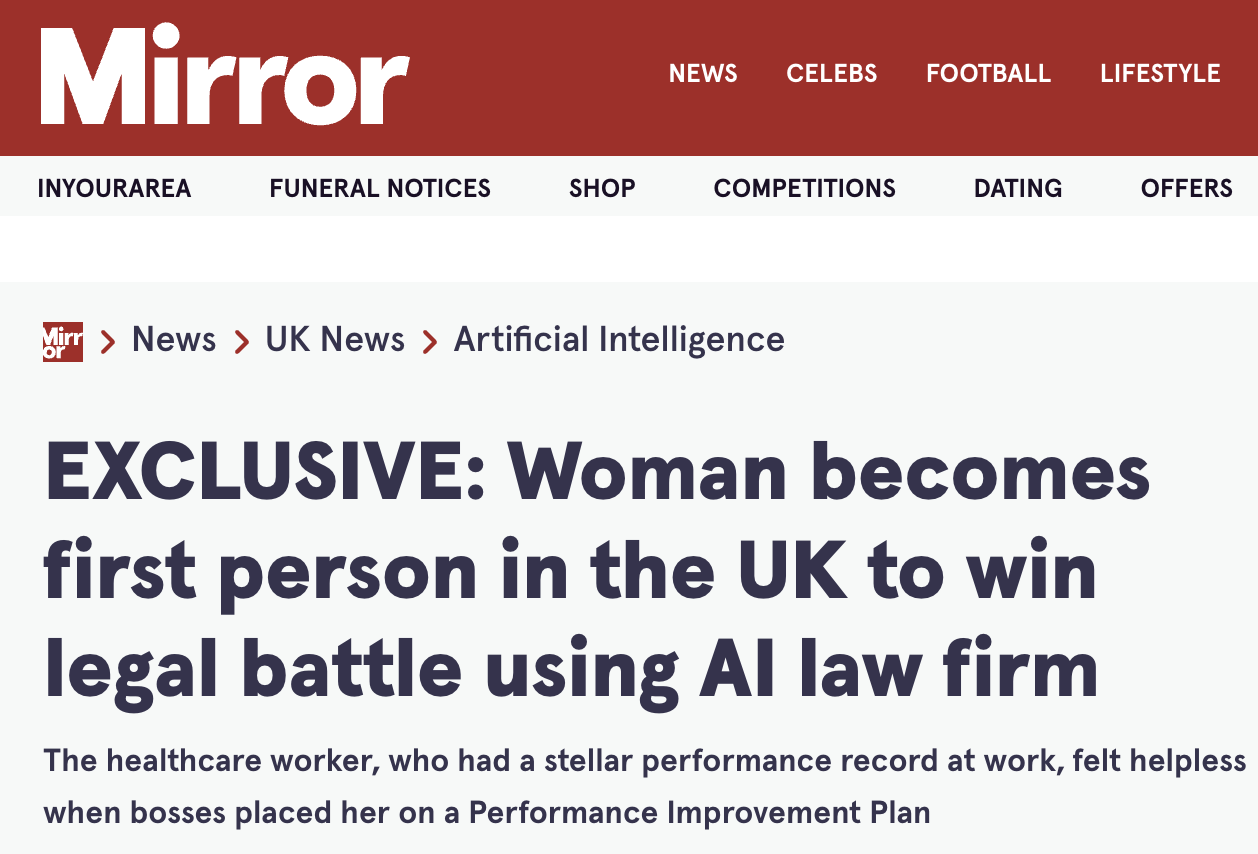
After years of strong performance, 'Jane' was placed on a Performance Improvement Plan (PIP), while on sick leave for a health condition.
With no prior warning, she felt cornered and unsure where to turn.
The process was being used as a fast-track exit strategy, to get rid of her without a fair settlement agreement offer.
Struggling with health, caring for an elderly relative, and fearing the financial fallout of losing her job, Jane turned to Grapple Law for help.
She took swift, decisive action, sending detailed legal letters to her employer and preparing for her formal meetings.
Within weeks, Jane secured a settlement of around £30,000, and paid a modest success fee to Grapple Law.