
Your Paternity Leave Rights, Explained
What New Dads Are Legally Entitled To
New fathers Including some partners and prospective parents) get up to two weeks statutory paternity leave. This applies whether your baby arrives by birth, adoption, or surrogacy.
Your employer must hold your job open during paternity leave. They cannot lawfully demote you, change your contract terms, or make your role redundant just in order to avoid your return.
You can take paternity leave as one two week block or split it into two separate weeks. The choice is yours, not your employer's.
Statutory paternity leave is a separate legal entitlement from maternity leave. Eligible parents can usually take their respective leave at the same time, and an employer cannot refuse statutory paternity leave simply because the other parent is on maternity leave.
Pay, Notice And Eligibility Rules
Statutory paternity pay is sits at £194.32 per week (2026/27) or 90% of your average weekly earnings, whichever is lower. Some employers offer enhanced paternity pay above the statutory minimum.
You must normally notify your employer by the 15th week before the expected due date that you intend to take paternity leave. You must also give at least 28 days’ notice before each period of leave you want to take, including your proposed start dates.
From April 2026, statutory paternity leave has generally been a day-one employment right. However, to qualify for statutory paternity pay, you must usually have 26 weeks’ continuous employment by the 15th week before the due date and earn at least £129 per week on average.
Paternity leave can usually be taken at any time within 52 weeks of the birth or adoption placement date.
What Our Clients Say
When Employers Cross The Line
An employer who refuses a valid statutory paternity leave request may be acting unlawfully. Employers cannot simply refuse statutory paternity leave because it is inconvenient for the business.
Penalising you for taking paternity leave constitutes unlawful detriment. This includes such actions as blocking promotions, cutting hours, or creating hostile working conditions upon your return.
Selecting you for redundancy because you took paternity leave may amount to automatic unfair dismissal and unlawful discrimination. However, a genuine redundancy process can still be lawful if the leave played no part in the decision.
Pressuring you to return early or work during paternity leave violates your statutory protections. Stand firm against such employer overreach.
.
How Grapple AI Defends Your Paternity Rights
Grapple AI analyses your paternity leave situation within minutes. Our algorithms identify employment law breaches that traditional lawyers might miss.
We build bulletproof cases against employers who violate paternity rights. Our AI processes thousands of similar cases to predict optimal legal strategies.
Grapple AI moves faster than conventional law firms. While others schedule consultations, we're already fighting for your paternity leave compensation.
Our technology levels the playing field against corporate legal teams. Every new father deserves protection, regardless of their employer's size or resources.
Frequently Asked Questions
How Much Paternity Leave Can I Actually Take?
You get two weeks statutory paternity leave, which you can take as one block or split into two separate weeks. Some employers offer additional paternity leave above the statutory minimum.
Can My Employer Refuse My Paternity Leave?
No, employers cannot refuse valid paternity leave requests if you meet eligibility requirements and give proper notice. Refusing statutory paternity leave breaks employment law.
Do I Get Paid During Paternity Leave?
Yes, you receive statutory paternity pay of £194.32 per week (2026/27) or 90% of average weekly earnings, whichever is lower. Many employers offer enhanced paternity pay rates.
When Do I Need To Tell My Boss I'm Taking Leave?
You must give 15 weeks written notice before your baby's expected due date. This notice should specify when you want your paternity leave to start and finish.
A Success Story
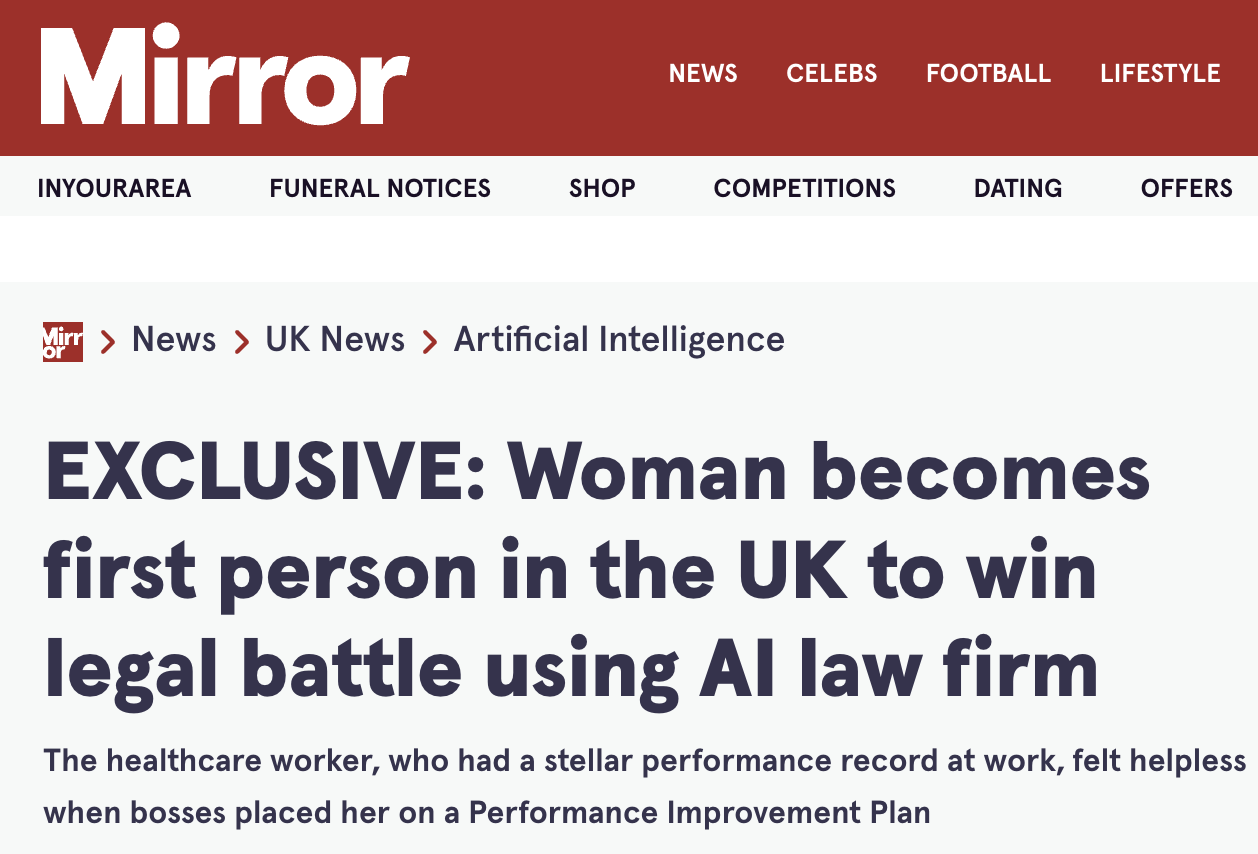
After years of strong performance, 'Jane' was placed on a Performance Improvement Plan (PIP), while on sick leave for a health condition.
With no prior warning, she felt cornered and unsure where to turn.
The process was being used as a fast-track exit strategy, to get rid of her without a fair settlement agreement offer.
Struggling with health, caring for an elderly relative, and fearing the financial fallout of losing her job, Jane turned to Grapple Law for help.
She took swift, decisive action, sending detailed legal letters to her employer and preparing for her formal meetings.
Within weeks, Jane secured a settlement of around £30,000, and paid a modest success fee to Grapple Law.