
Autism, Bipolar and Your Right to Thrive at Work
Neurodivergence and Long-Term Conditions Under UK Law
The Equality Act 2010 treats autism and bipolar disorder as protected disabilities when they substantially affect your daily activities.
This protection kicks in whether your condition is formally diagnosed or not, giving you powerful legal rights at work.
Your employer has a legal duty to make reasonable adjustments once they know or should reasonably be expected to know about your condition.
Failure to do so constitutes disability discrimination, which can result in significant compensation awards.
The law recognises that neurodivergent brains work differently, not defectively.
Your autism employment rights include protection from harassment, direct discrimination, and discrimination arising from disability.
Adjustments That Actually Work for Autism and Bipolar
Effective workplace adjustments for autism often include written instructions instead of verbal ones, regular one-to-one meetings, and flexible working hours.
Noise-reducing headphones, dedicated workspace, and advance notice of changes can dramatically improve your performance.
For bipolar at work, reasonable adjustments might include flexible start times during depressive episodes, private space for medication, and adjusted targets during mood fluctuations.
Time off for medical appointments and gradual return to work after episodes are standard requirements.
Employers cannot claim adjustments are unreasonable without proper assessment. The duty is anticipatory, meaning they should consider your needs proactively, not reactively after problems arise.
What Our Clients Say
Spotting Discrimination, Bullying and Unfair Performance Reviews
Discrimination often disguises itself as performance management or cultural fit concerns.
Comments about your communication style, social interactions, or work patterns can constitute harassment if linked to your neurodivergence.
Unfair performance reviews frequently target autistic traits like direct communication or need for routine.
Bipolar employees face discrimination when mood variations are treated as attitude problems rather than disability-related symptoms.
Bullying by colleagues becomes your employer's responsibility when they fail to act on reports.
Isolation, exclusion from meetings, or mocking of your adjustments creates a hostile environment that breaches your autism employment rights.
How Grapple AI Stands Up for Neurodivergent Employees
Grapple Law's AI technology processes employment law at superhuman speed, identifying discrimination patterns that traditional lawyers might miss.
Our system recognises the subtle ways neurodivergent employees face unfair treatment at work.
We build cases that demonstrate how your autism or bipolar disorder qualifies for legal protection, what adjustments your employer should provide, and how their failures breach disability law.
Our AI doesn't get tired, doesn't judge, and doesn't give up on your case.
Traditional employment lawyers often lack understanding of neurodivergent experiences.
Grapple Law's technology processes thousands of similar cases, recognising patterns of discrimination that others overlook completely.
Frequently Asked Questions
Is Autism Legally Classed as a Disability at Work?
Yes, autism is protected under the Equality Act 2010 as a disability when it substantially affects your daily activities.
This protection applies regardless of when you received your formal diagnosis or whether you consider yourself disabled.
Do I Have to Tell My Employer I'm Autistic or Bipolar?
You're not legally required to disclose your condition, but employers can only make adjustments if they know about your needs.
You can disclose at any time without fear of discrimination or dismissal.
What Adjustments Can I Ask for as an Autistic Employee?
You can request written communication, flexible hours, quiet workspace, regular supervision, and advance notice of changes.
Employers must consider all reasonable adjustments that help you perform your role effectively.
Can I Be Sacked for Behaviour Linked to My Bipolar Disorder?
Dismissing you for disability-related behaviour without considering adjustments or support constitutes discrimination.
Employers must explore alternatives like occupational health referrals, workplace modifications, or adjusted duties before any dismissal decisions.
A Success Story
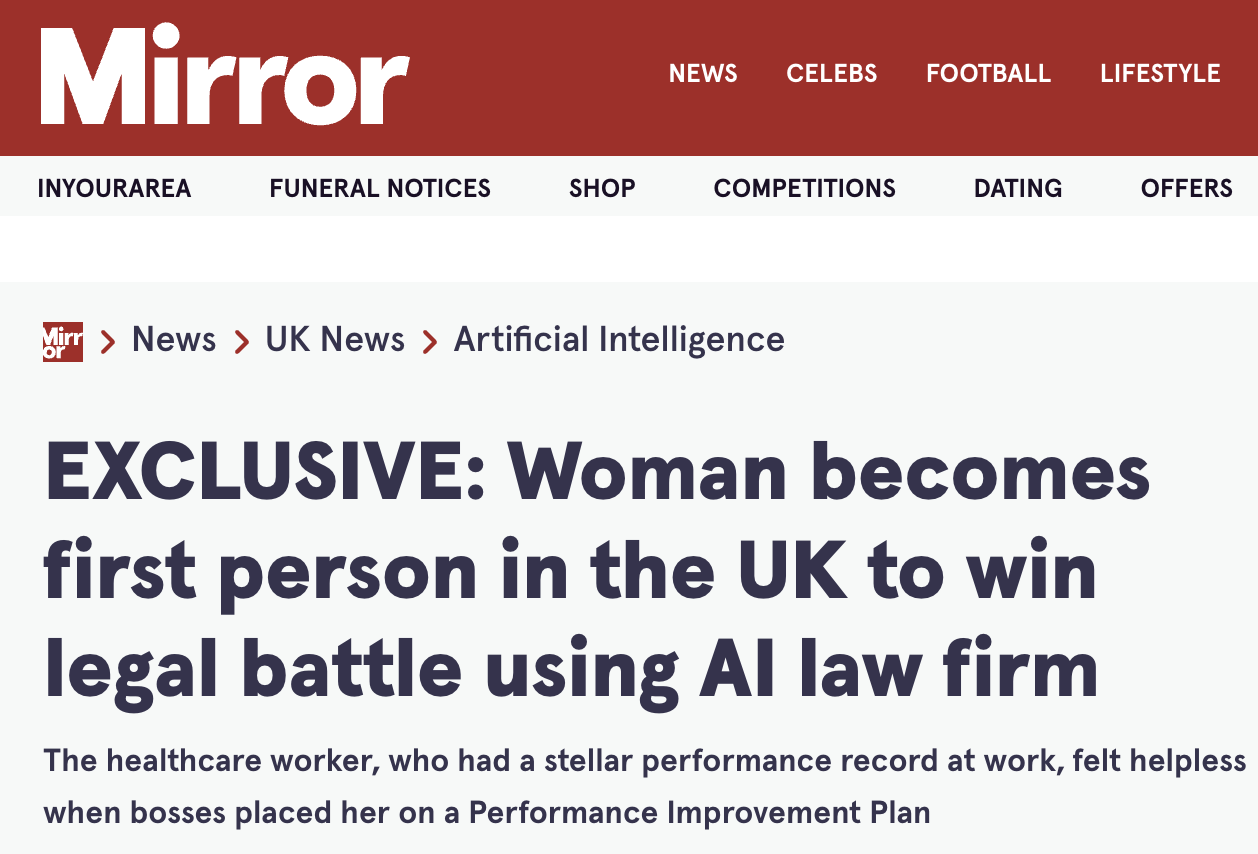
After years of strong performance, 'Jane' was placed on a Performance Improvement Plan (PIP), while on sick leave for a health condition.
With no prior warning, she felt cornered and unsure where to turn.
The process was being used as a fast-track exit strategy, to get rid of her without a fair settlement agreement offer.
Struggling with health, caring for an elderly relative, and fearing the financial fallout of losing her job, Jane turned to Grapple Law for help.
She took swift, decisive action, sending detailed legal letters to her employer and preparing for her formal meetings.
Within weeks, Jane secured a settlement of around £30,000, and paid a modest success fee to Grapple Law.